


Christmas Eve 2026 lands on a Thursday. If you start in the first week of September, you’ve got about fifteen weeks, and that’s enough time to make everything on this list without a single late night.
Most churches lose those weeks to whatever felt urgent that Tuesday, and then make the whole list in December anyway. The work doesn’t get smaller, it just gets compressed into the two weeks when your team has the least margin.
What separates those two Decembers is whether the season got requested once, in September, or forty separate times between now and Christmas Eve.
If you haven’t landed on a look yet, start with the six design directions, because every piece below inherits it.
What Each Piece Is Actually For
Two people using the same word for two different things is how a church discovers on December 18th that nobody made the invite cards. So before the list, here’s the plain version of each piece and what it costs you when it slips.
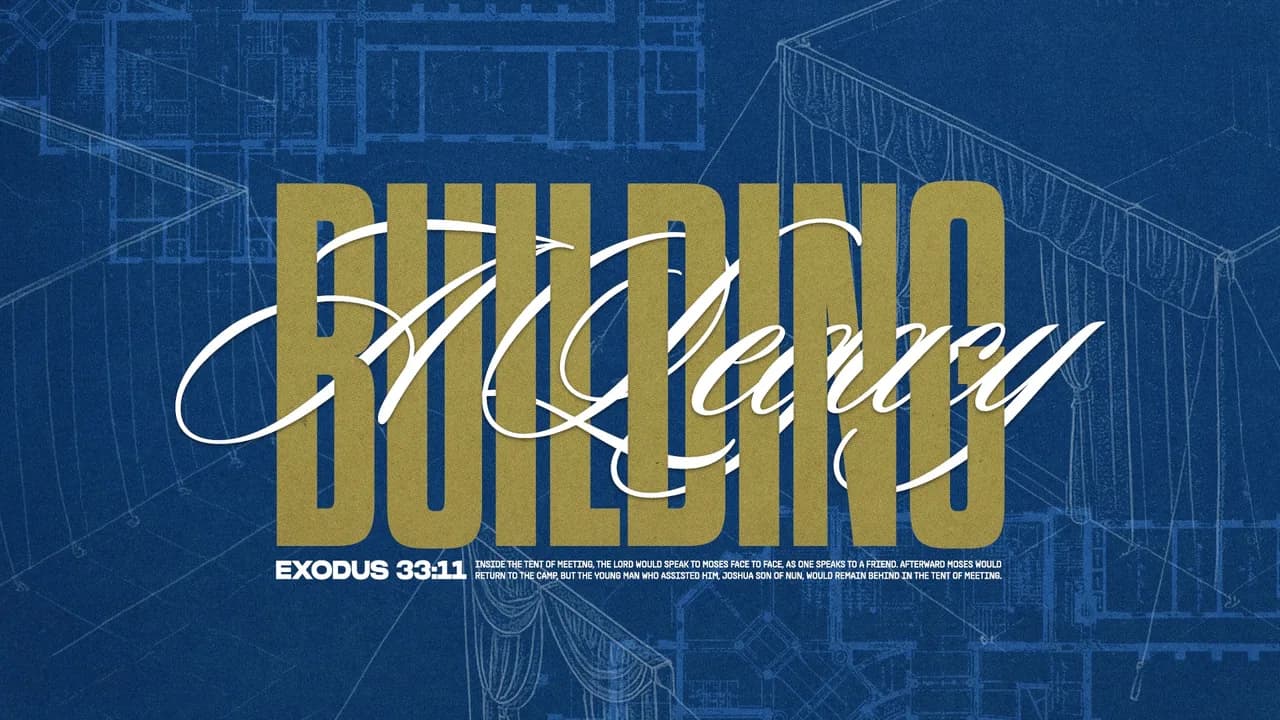
- Series graphics: the sermon series artwork every other piece inherits its look from. When these are late, everything behind them waits.
- Series bumper: a short video that plays before the message. This is the first thing to cut in a tight year, with no guilt attached.
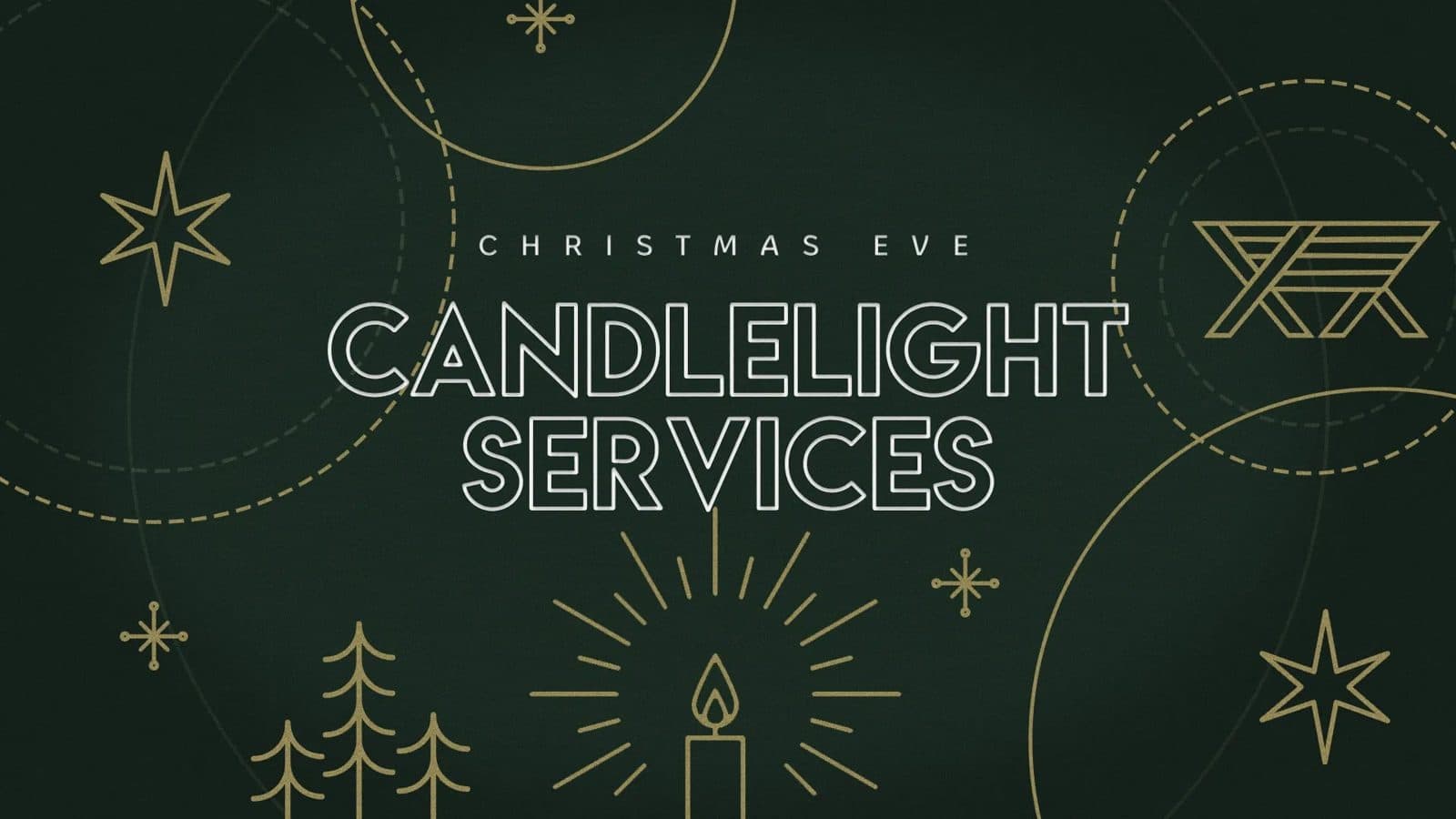
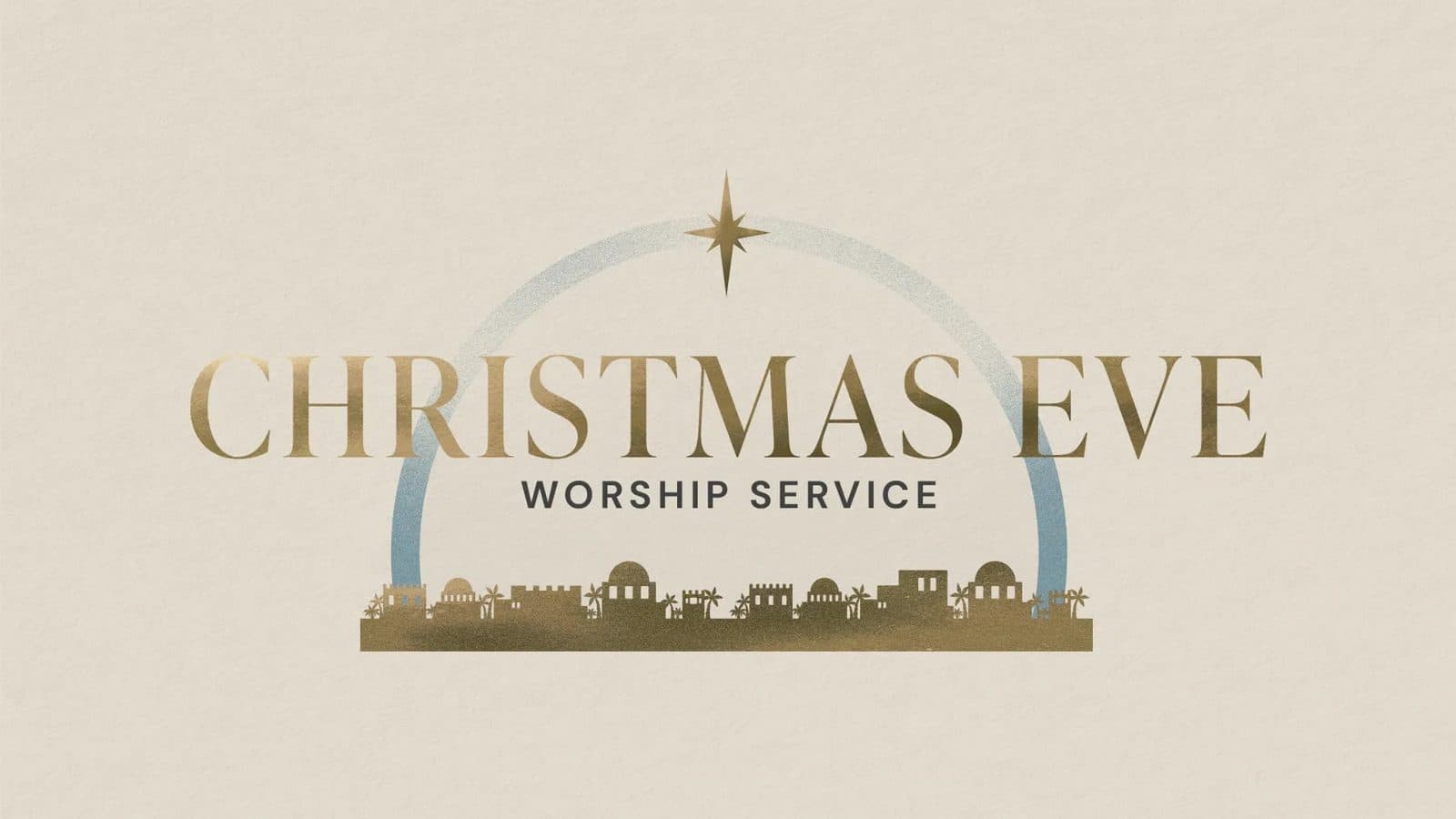
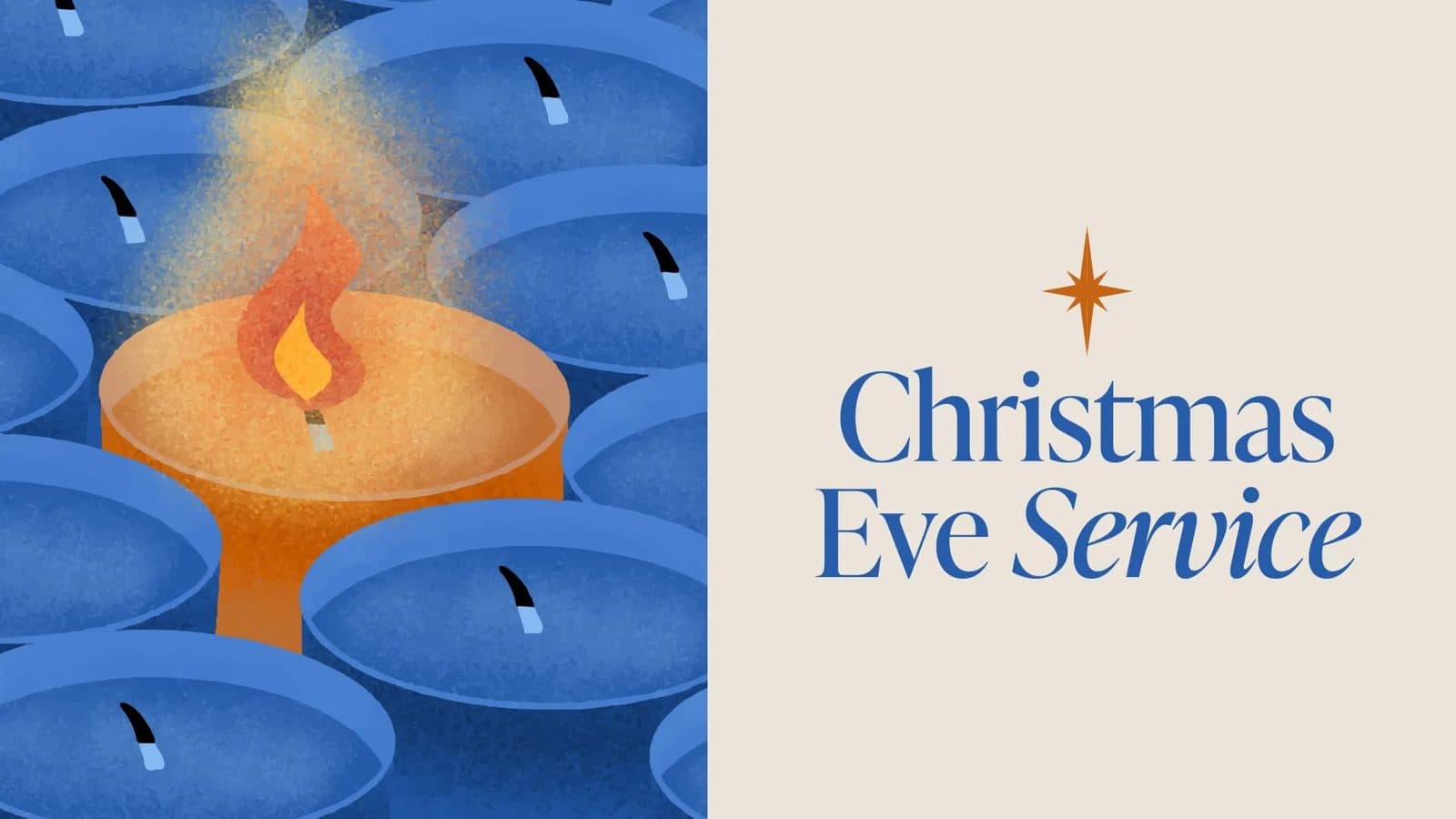
- Event graphics: one design per service or event, carrying its own date and time. Three Christmas Eve services need three, and the one that gets forgotten is always the odd-hour service.
- Invite video: thirty to ninety seconds of a pastor saying come to this, usually filmed on a phone. It gets forwarded more than anything else you’ll make.
- Invite cards: printed, and handed neighbor to neighbor. The print shop owns this deadline, not you.
- Landing page: service times, how long the service runs, and what happens with kids, all on one page. This is where a guest actually decides.
- Signage: yard signs, lobby signs, and the Christmas Eve photo backdrop. Your building should be telling the same story your feed is.
- Follow-up postcard: the only piece here that reaches a guest in January, when they’re deciding whether to come back.
Three Kinds of Work Are Competing for October
Weekly work keeps coming no matter what: Sunday slides, the sermon graphic, the announcement nobody mentioned until Thursday. Surprise work shows up on a Thursday and wants to be done by Sunday, and it always will.
Seasonal work is the only one of the three you can get out ahead of, and only if it starts 8 to 12 weeks out. Every hour your Christmas planning loses in October is an hour December has to find at 11pm, so protect that planning time like a meeting you can’t skip. That’s exactly what it is.
Borrow This Church’s Complete List
This is the real Christmas media plan of a church in Kentucky we partner with: one creative pastor, one theme, and the whole season planned as a season instead of forty separate requests. Borrow as much of it as you want, which is exactly why we’re putting it here.
Cross out what your church won’t do, write your own ministry names in, and you’ve got your deliverables list.
- Series content: series graphics package, bumper video, weekly sermon recap posts, supporting social graphics.
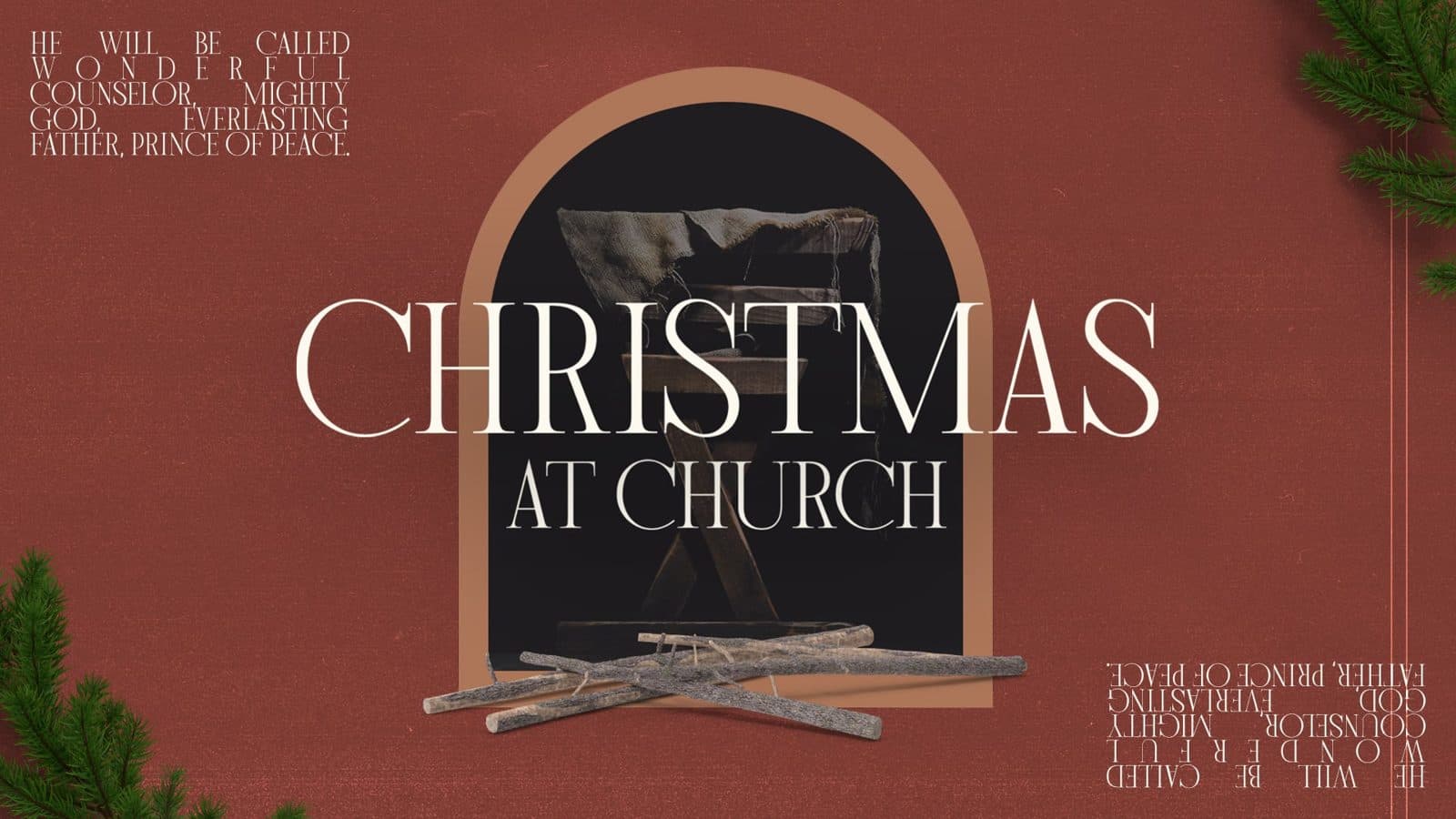
- Main event: “Christmas at [Your Church]” event graphics, Christmas Eve invite video, announcement carousel, year-recap video, printed invitations.
- Signage and onsite: standing signs, yard signs, community banners, a Christmas Eve photo backdrop, volunteer lanyard cards.
- Special elements: Christmas-break social pack, multi-service graphic variations, the Christmas landing page.
- Ministry add-ons: kids check-in and family signage, plus event graphics for whichever ministries need them.
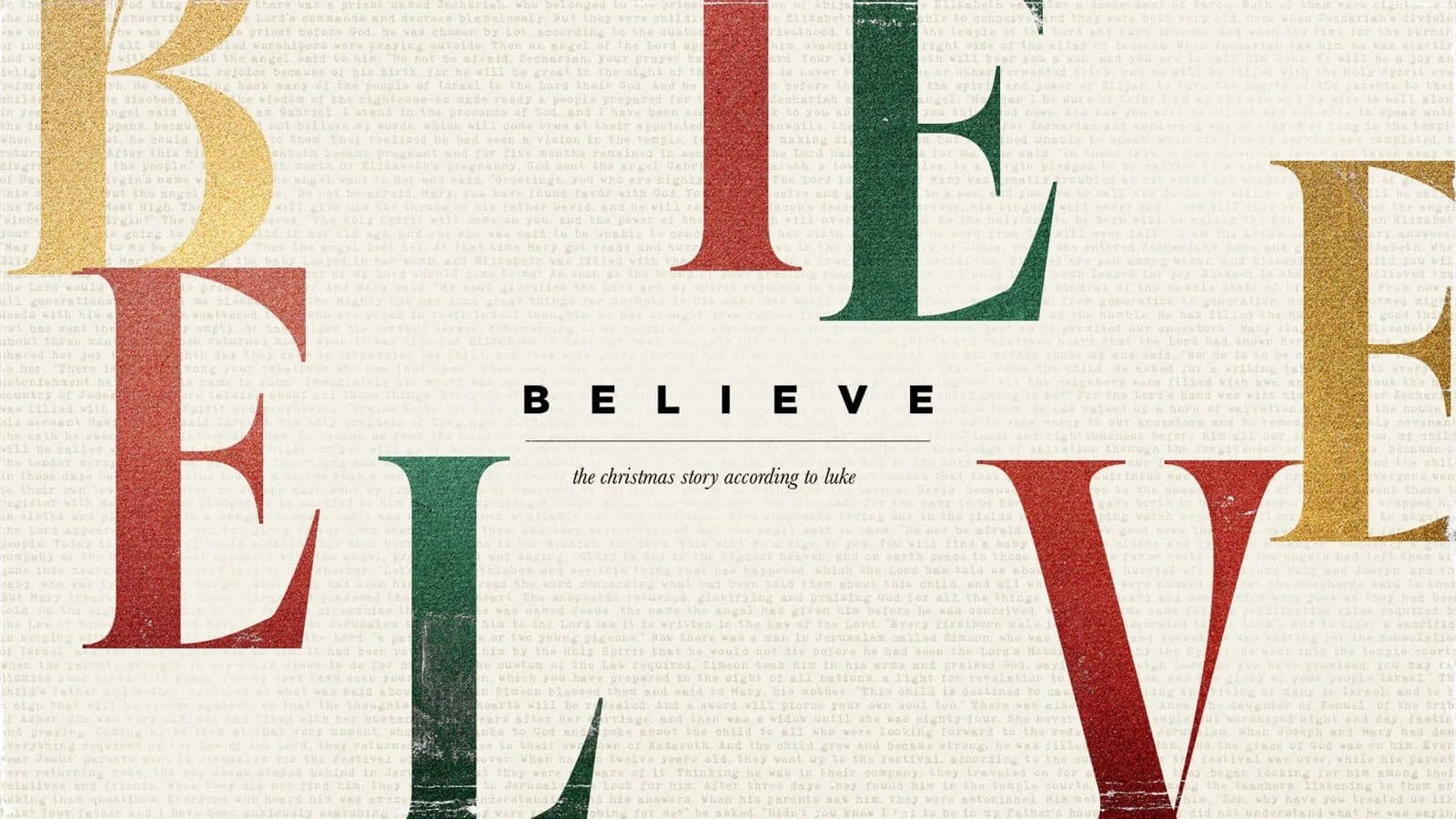
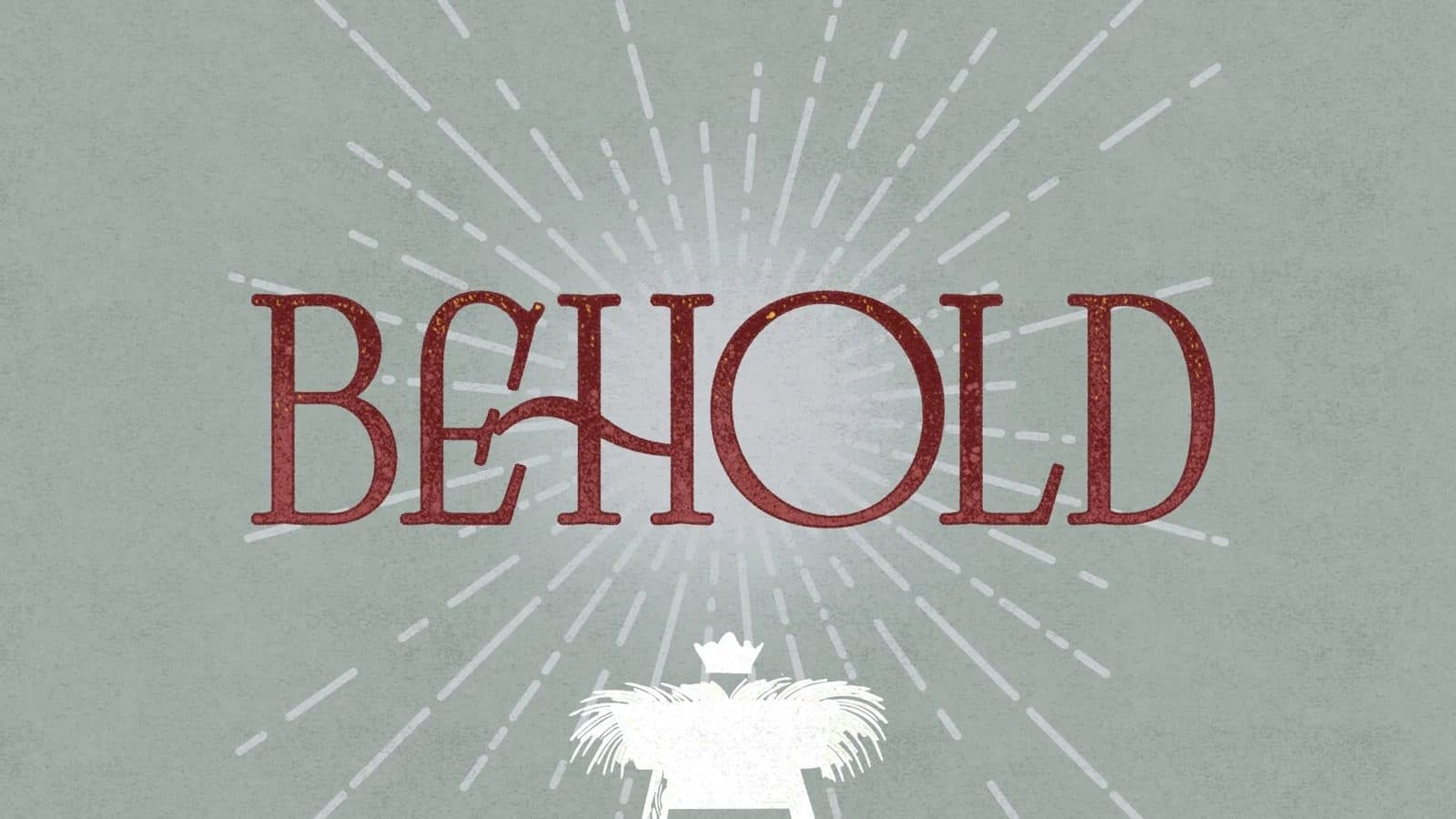

At their year-end review, that church wrote down four things worth stealing: submit series graphics in early fall, get event graphics done by October, finish the major video work by early December, and get print to the shop two to three weeks before anyone needs it. The one change they wanted for the next year was to reserve a December video slot for a story instead of hoping one turned up.
The Invitation Is the Strategy
Most Christmas guests come because somebody they know asked them to. That makes the highest-return item on this entire list one of the cheapest things on it: email your church two or three invite graphics, sized for a phone, that a member can save and text to a friend without asking anyone’s permission.
A text from someone you love beats any ad your church could buy. Give that decision ten real minutes in September instead of ten seconds in December, and decide who your church is inviting this year and what you’re putting in their hands to do it with.
One Video Can Carry the Whole Season
You don’t need a video strategy. One well-made video can do the work, so pick the one your church can actually pull off and let the rest go.
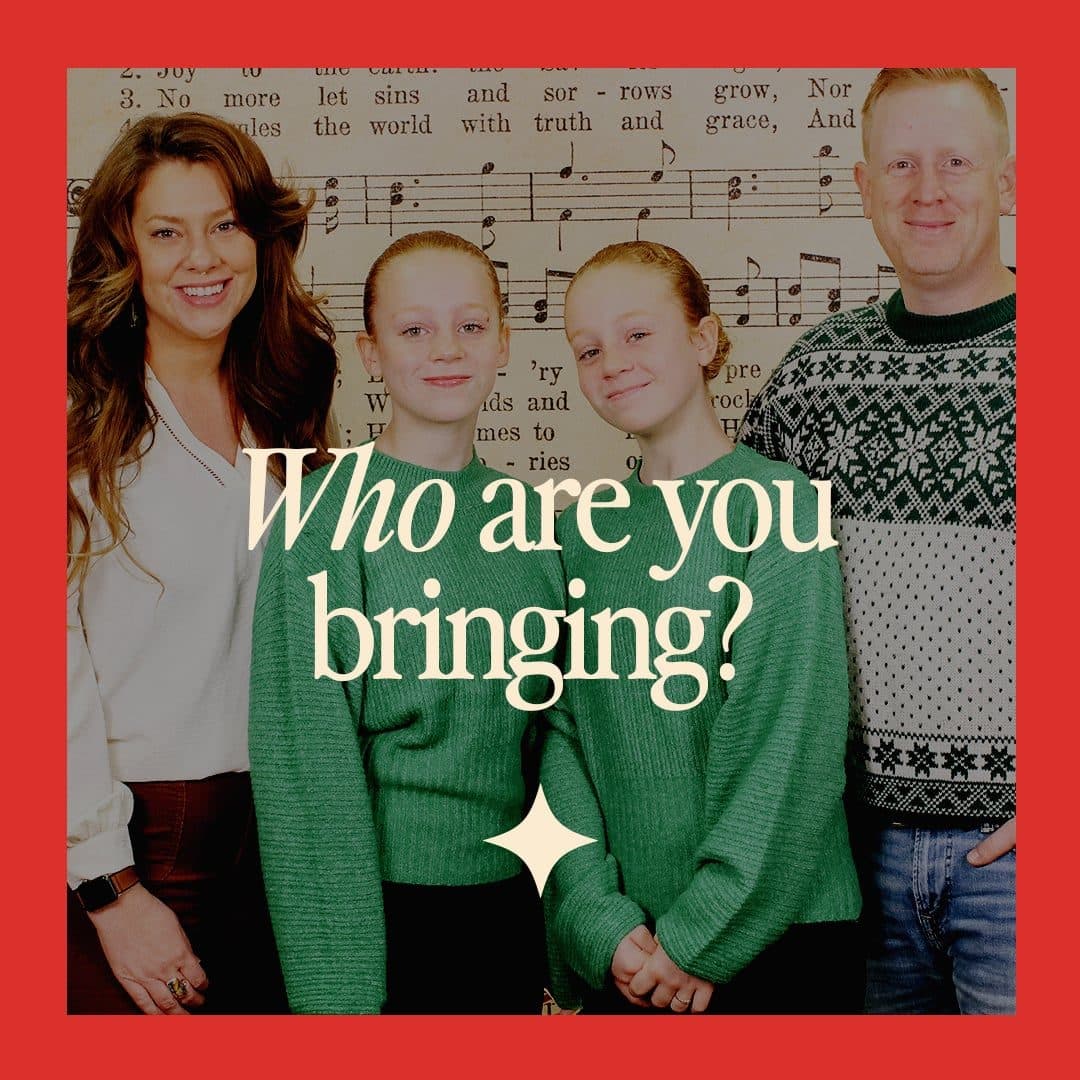
- A personal invite from your lead pastor and their family.
- A story from someone who first walked into your church during a Christmas season.
- A join-us-for-Christmas-Eve invite filmed with a few families your congregation will recognize.
Film it in late October or early November so there’s room to edit before it posts, keep it personal and low-production, and then let your people text it to their friends. That’s the whole distribution plan, and it works better than anything you could boost.
Leave Room for the Story You Can’t Schedule
The best Christmas content is usually a story that hasn’t happened yet. A first-time family telling you why they came. A volunteer working their fifteenth Christmas Eve in the parking lot. A two-minute phone interview in the lobby is enough, and those clips end up being January’s best content.
Reserve one slot for it and protect it with a date and a person who’d actually film it. If nothing turns up by your cutoff, release the slot and move on. This one’s a bonus, not an assignment.
Work Backward From December 24
Six phases, counted back from Christmas Eve. The owner on each one matters as much as the date, because milestones usually slip for the simple reason that nobody was sure whose they were.
- September 7 to 20, about 15 weeks out. Leadership decides. Hold the theme meeting and settle up front who gives input and who has the final call. Lock the series name. Book your Christmas photographer and videographer now, since December calendars fill by October. Decide who your church is inviting and what you’re handing them.
- September 21 to October 4. The comms owner briefs. Write the full deliverables list, then brief whoever makes your church Christmas graphics on the whole season at once instead of piece by piece. Ask for series graphics and the main event package first, because everything else inherits their look.
- October 5 to 25, 9 to 11 weeks out. Designers produce and leadership approves. Series and event graphics approved and in hand, with a revision round built into the schedule. Landing page live by the last week of October. Print pieces requested now so they’re designed before November.
- October 26 to November 15. Comms owner and volunteers produce. Film the one invite video you chose by early November. Request the bumper, countdowns, and motion graphics. Put the Christmas look on your website and socials, including covers, link in bio, and YouTube art.
- November 16 to December 6. The comms owner executes. Everything physical goes to the print shop the week before Thanksgiving, and that single deadline protects every printed piece you have. Schedule the social pack. Hand volunteers their signage plan, lanyard cards, and greeter signs. Send your church two or three emails with invite graphics to save and text a friend.
- December 7 to 24. Everybody. Countdown posts run the week of Christmas because everything else is already scheduled. Capture a story if one shows up. Backdrop up, greeters scheduled, kids check-in stocked and decorated, bulletins printed.
- December 26 to January 10. The comms owner closes the loop. Send Christmas guests a specific invitation to what’s next in January, with dates and one clear step to take. Post the recap video while the season is still warm. Then hold a short review of what worked, what didn’t, and what was missing, and write it down while it’s fresh. It’s the backbone of your Christmas 2027 plan and a head start on Easter.

Four Pieces Churches Forget Every Year
The pieces that go missing are almost never the series graphic everyone’s worried about.
- Service times with the runtime and the kids answer. A guest weighing your 4pm against staying home is deciding on those two facts, and leaving them off hands the decision to the church that included them.
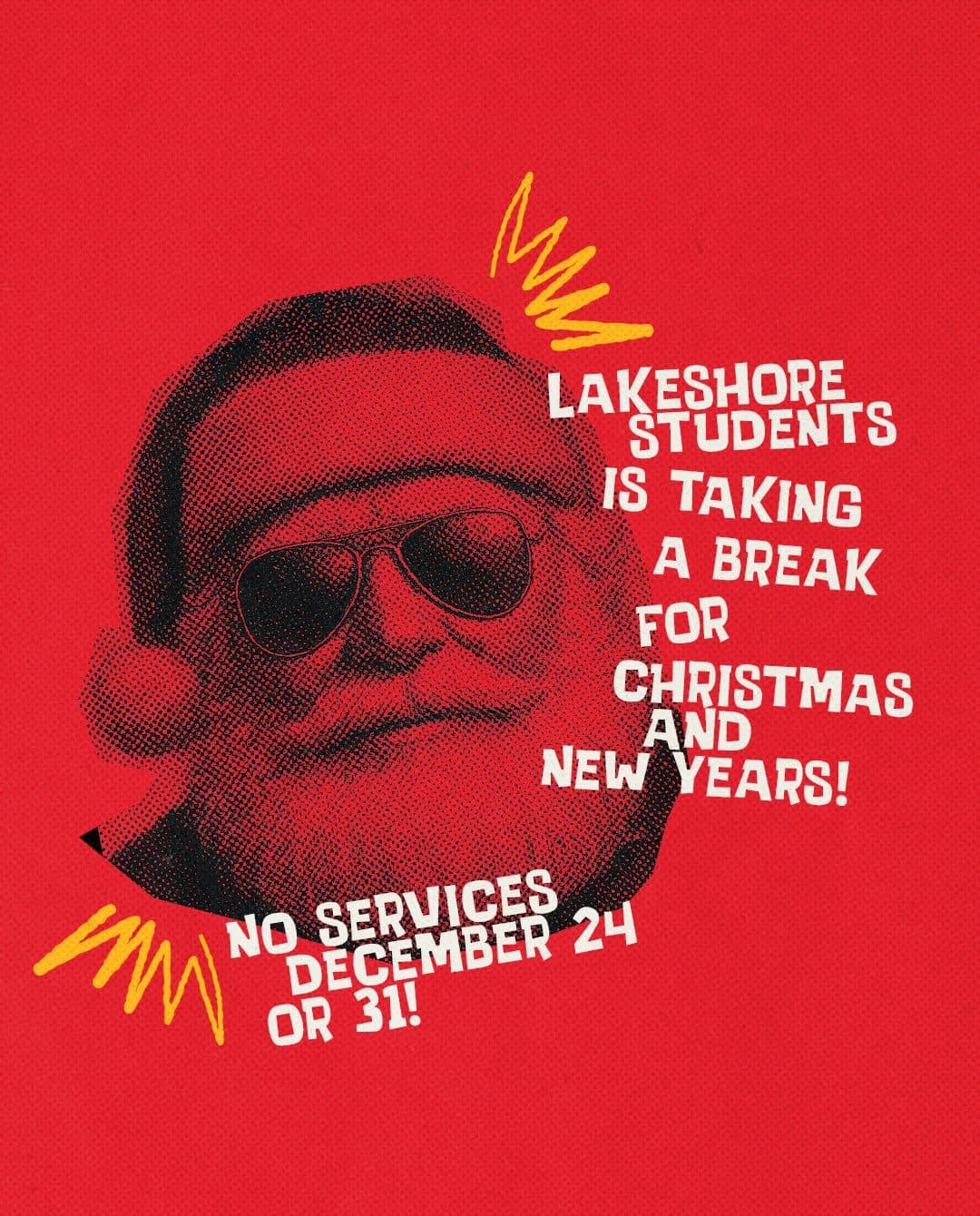
- The schedule change. Students off for two weeks, midweek paused, one service instead of three. Put both dates on the artwork and your front desk stops answering the same question all week.
- Volunteer materials, meaning lanyard cards and greeter signs. Skip them and the eighty people serving in your lobby are the only part of Christmas that looks unplanned.
- The follow-up postcard, which is the only piece on this list that talks to a guest after Christmas rather than before it.
And if you’re starting later than September, you’re not behind and you’re not bad at this. You’ve been running a season-long project on a week-long system. Start at whatever week you’re in, compress the early phases into one honest working session, and keep the print and video deadlines fixed.
This list is long every year, whether anyone plans it or not. The only real question is whether it gets made in September afternoons or December midnights.
The same person walks into that Christmas Eve service either way. In one version they’re checking their phone for a proof that hasn’t come back. In the other they’re standing in the lobby, greeting the families their church prayed for all year, with nothing left to make.
Christmas playbook · 2026 edition
Want the whole season planned out?
We put the plan we use with churches into a twelve-page playbook, worked backward from Christmas Eve. You’ll get the four decisions to settle in September, one church’s complete deliverables list, and a worksheet for writing your own. It costs an email address and nothing else.


Published by Church Media Squad on August 27, 2026.