


And the Planning System That Fixes It
Most Mondays in church ministry start the same way: still catching up from Sunday and already behind on next week.
If that feels like you, you’re not alone, and you’re not bad at your job. Most church communications and creative teams were never taught what a healthy planning rhythm looks like. And without that foundation, even the most talented, called people will always feel one step behind.
We sat down with Lynsey L’Ecuyer, Customer Experience Squad Lead, to talk through what it looks like to build a planning system that frees your team to stop living in survival mode and start doing the work that will invite people into a life with Christ.
The 3-Lane Planning Framework
Most church teams plan in one mode: urgency. Something is due soon, so that gets attention, and everything else waits.
What finally gives teams traction is holding three different planning horizons in view at the same time. Lynsey calls these the three lanes.
Lane 1: 12 Months Out
This is your big-picture calendar. Annual events, sermon series rhythms, major church milestones. If you’re not thinking 12 months ahead, things will sneak up on you every single time.
Questions to work through at this horizon:
- What annual events are you definitely repeating next year?
- What do you want to add to the calendar that didn’t happen this year?
- What are you committing to say no to next year?
Lane 2: 90 Days Out
This is your strategy lane. Events and series coming up in the next quarter. Your communications needs should be mapped here: what needs to be designed, written, filmed, and launched, and when each piece needs to start.
Questions to work through at this horizon:
- What series or events are 60–90 days out?
- What creative work needs to start now to be ready in time?
- Are there communication strategy meetings that need to happen this month?
Lane 3: 30 Days Out
This is your execution lane. Work is in motion, timelines are set, and your team is finishing what’s been planned. If something new is showing up in this lane as a surprise, that’s a signal to look further upstream.
Questions to work through at this horizon:
- What’s due in the next 30 days, and is everything on track?
- Does anything need to be escalated?
- Where did any last-minute requests come from, and how do we get ahead of that next time?
The aim is simply to be looking at all three lanes every week, so nothing blindsides you.
Give Your Team a Weekly Anchor
Once you have the framework, you need a consistent rhythm around it.
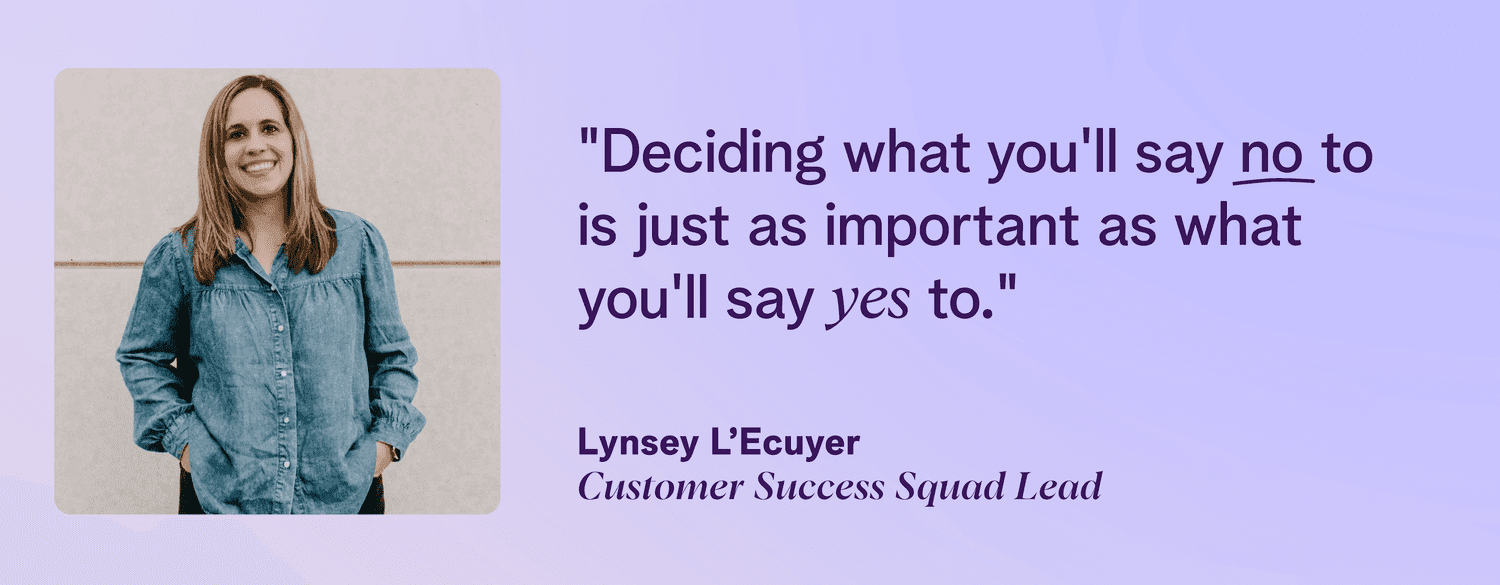
“The smallest planning shift that makes the biggest difference is having a regular planning meeting at the same time every week. In that meeting, you’re always looking at what’s 30 days, 90 days, and 12 months out, because it keeps things from falling through the cracks or sneaking up on you.”
A weekly status check doesn’t need to be long. Ten to fifteen minutes is enough to review all three lanes, flag anything that needs attention, and make sure the team is aligned before the week gets going. Treat it as a non-negotiable. It should be the last meeting to move when the calendar gets crowded, not the first.
Anchor Your Calendar to Rhythms
Church calendars shift, sermon series get changed, and events get added or moved at the last minute. If your planning is entirely event-based, you’ll always be rebuilding from scratch.
A better approach is planning around rhythms, the recurring patterns of what your church does in each season.
If you know your church always does something church-wide for families in the spring, you can start preparing for that rhythm without knowing exactly what the event will be yet. When the event gets defined, you’re already ahead. Your communications process is primed, and your team isn’t starting cold.
This also gives you a cleaner filter for deciding what to take on. When you’re clear on which rhythms are locked in for a season, you can see what additional requests can fit and what should wait. Saying yes to your mission means getting comfortable saying no to projects that don’t advance it.
Where Last-Minute Requests Come From
If you want to stop last-minute requests from running your week, it helps to know where they’re coming from. Lynsey points to three sources:
- Communication gaps. Decisions get made at the leadership level but don’t get communicated to the creative team until it’s too late. When your internal communication strategy has holes, urgent requests fill them.
- Reactive planning culture. Teams that plan reactively are always doing things as they come. They’re never looking ahead, so the work is always urgent because nothing was planned in advance.
- No request process. Without a system for submitting requests with lead times and real accountability for keeping those timelines, last-minute will always be the default. Establishing a request process with clear deadlines means enforcing them consistently, even when the pressure comes from leadership.
Building that process is one of the most protective things a communications director can do for their team.
How to Handle Last-Minute Requests Without Burning the Team Out
Protecting your team comes down to communicating clearly about what’s realistic with the time available, and making the case for more lead time next time.
“Paint the picture of what can realistically be done with the time that’s currently available, factoring in your current project load. And paint the picture of all the additional impact that can be made with more lead time for next time.”
In practice, that might sound like this:
“We’d love to support this. Here’s what we currently have in motion and what we can realistically get done in time for this new opportunity. If we have 4–6 more weeks next time, here are the additional things we can also do.”
This keeps the team moving without burning them out, and it starts building the case for better lead time in a way leadership can hear.
Let Your Planning Be Spirit-Led
A hidden factor in church culture is that planning is unspiritual..and we have thoughts on this! Some may think that truly faith-filled people respond to God in the moment and let the Spirit lead, and that schedules and systems are what the business world does.
“In church, we’ve made the mistake of blaming our lack of planning on our personalities or, even worse, on God. But God is, by nature, a planner. We can see it in the intentionality and detail He put into creating the world, humans, and other living creatures. Nothing was happenstance.”
Proverbs 16:9 (NLT) puts it plainly: “We can make our plans, but the LORD determines our steps.”
You make your plans, pursue excellence and intentionality, and hold those plans with an open hand, ready for God to redirect. Doing that with care and preparation is what faithfulness looks like in practice.
Getting Leadership on Board
Getting your leadership to value planning is a slow build, and it often grows through small wins they can feel.
“You have to work hard to help them feel the benefit of planning ahead. The more wins you get on team plan-ahead, the easier it becomes.”
When leadership sees a series launch with room to breathe (great creative, time for revisions, no all-nighters), they feel the difference. When an event gets promoted two weeks out instead of two days out and the turnout shows it, they feel that too.
If you’re ready to shift the culture, the first step is getting in front of your leadership with a clear pitch for how to make it happen.
Start With One Lane
If your team is currently living in urgent mode, start small. Pick the 90-day horizon and spend one hour this week looking at what’s coming up. Map what’s on the calendar, list the creative needs for each item, and flag anything that needs to start now.
Stay consistent with it, and the whole rhythm starts to shift. Add the 30-day and 12-month lanes over time. Build the habit before you build the system.
When your team has breathing room, the work gets to be what it’s meant to be: creative, intentional, and rooted in the mission. You stay focused on your people and your church’s vision while your creative partners handle the execution. And when the work is done well and done on time, it stops being just content. It becomes an invitation. A well-timed graphic, a series promoted with margin, a message that lands at the right moment: those things open doors for people to take their next step toward Jesus.
That’s worth planning for.
Want this off your plate next week?
A real Squad of church creatives handles your graphics, video, social, branding, and website. Twenty minutes on a call is usually enough to tell whether it fits.


Published by Church Media Squad on May 13, 2026.