



By the end of August, most church media teams are worn thin, even if nobody’s saying it out loud.
The summer looked slower on paper, but it rarely was. Vacation Bible School graphics, camp recaps, baptism reels, cover slides for a guest speaker every other week, and a volunteer or two out of town at any given moment. Your team kept the feed going through all of it.
And now fall is walking up to the door asking for a new series launch, small group promo, a fresh website banner, and a content calendar that doesn’t quit until Christmas.
That gap between what your volunteers have left and what the season is about to require is where burnout lives. If you want your team intact in November, late summer is the moment to do something about it.
Burnout Rarely Announces Itself
It’s easy to picture burnout as someone dramatically quitting. Most of the time it looks a lot more ordinary.
A volunteer who used to reply within the hour now takes two days. The Sunday graphic shows up on Saturday night instead of Thursday. Someone stops pitching ideas in the group chat and just does what they’re told.
None of it reads as a crisis, so it gets missed until the person is already halfway out the door.
The people most at risk are usually your most reliable ones. The volunteer who never says no is the volunteer absorbing every gap in the schedule, and they’ll keep absorbing until something gives.
Watching for the small signals now, before the fall load lands, is how you keep a tired team from becoming a broken one.
Protect the People You Already Have
Before you go looking for more hands, take care of the ones already serving. A few things go a long way here.
Name the season honestly with your team. Tell them fall is heavy and you know it, rather than pretending the pace is normal. People carry a hard stretch better when their leader has acknowledged it’s hard.
Then get specific about what actually has to happen versus what has become habit. A lot of media teams are producing content nobody asked for and nobody misses, and cutting even two recurring posts a week gives your volunteers back real margin.
Build a buffer before you need one. Batch a few weeks of evergreen graphics and reels now, while summer still has some slack in it, so a sick week or a family emergency in October doesn’t blow up the whole calendar.
And say thank you in a way that costs you something, whether that’s a real meal together, a handwritten note, or simply covering a week yourself so a volunteer can rest.
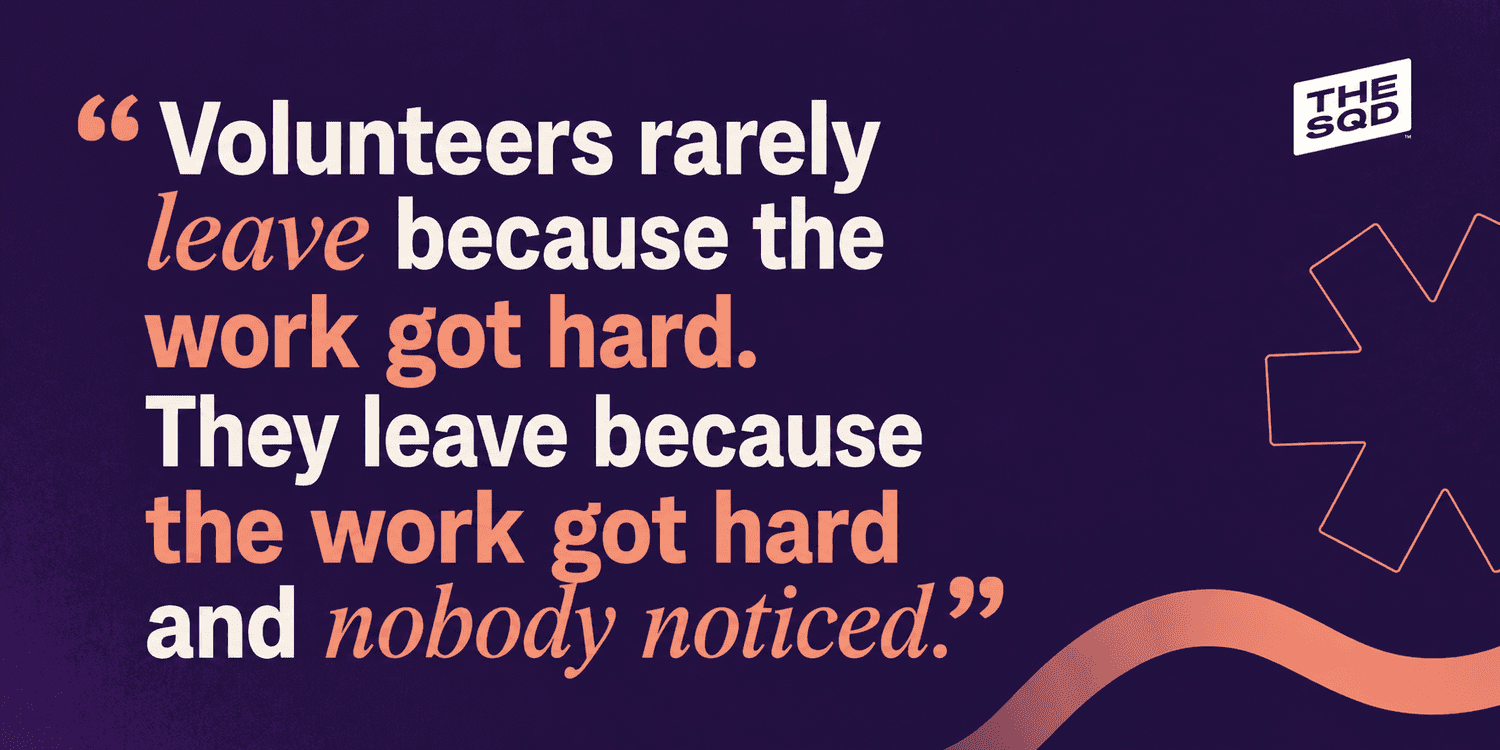
Volunteers rarely leave because the work got hard. They leave because the work got hard and nobody noticed.
Onboard New Help Before the Rush, Not During It
If your team genuinely needs more people, the time to add them is now, not in the middle of launch week. A new volunteer dropped into your busiest season learns nothing except that they’re in the way. Bring them in during the slower summer weeks when there’s room to actually train.
Start by writing down how your team does things, even roughly. The brand colors, the caption voice, where the files live, who approves what before it posts. Most church media teams run on knowledge that lives entirely in one person’s head, and that’s exactly what makes onboarding feel impossible and vacations feel risky.
Give a new person one clear lane to own rather than a vague invitation to help with everything. “You handle the weekly announcement graphics” is something a person can succeed at. “Jump in wherever” is how good volunteers wash out in a month.
Then let them shadow a full cycle before they carry anything live, so their first real deadline isn’t also their first time doing the task.
When the Math Just Doesn’t Work
Sometimes you do everything right and the honest answer is still that the work is bigger than the people available to do it. That’s not a failure of leadership or a lack of faith. It’s a small volunteer team being asked to produce at a level that used to take a full department.
That’s the exact gap our All-In plan was built to close. Instead of leaning harder on the two volunteers already carrying everything, your church gets a dedicated account manager and a full creative team handling the graphics, video, social, and website work.
Your people move from scrambling to keep up into actually leading, and your church shows up with intention through the whole fall stretch without anyone burning out to make it happen.
Want this off your plate next week?
A real Squad of church creatives handles your graphics, video, social, branding, and website. Twenty minutes on a call is usually enough to tell whether it fits.


Published by Church Media Squad on July 16, 2026.